How To Start An eCommerce Business
With the advancement of today's technology, starting an eCommerce business has become easy and rewarding.
Whether you want to sell some products online or have a full-scale online retail business, this guide will take
you through the necessary steps. We'll discuss all aspects of conceptualizing your eCommerce business and then
successfully launch and grow it.
Creating an eCommerce Business Plan
So, before starting any sort of eCommerce website development or choosing any eCommerce platform, you must draw a
sound road map. Your business plan must clearly state your objectives, target market, product selection, and
marketing strategy. A well-thought-out eCommerce business plan should help you stay organized and focused while
setting up an online store.
Writing an eCommerce business plan is the very first step when one decides to create an eCommerce business.
It will outline your entire online store on what to sell, whom to sell it to, and how to sell it. A
well-structured eCommerce business plan supports you in being organized, brainstorming possible problems, and
showing how you can successfully sell online. It should include significant information like your niche and
pricing, competition, and long-term goals; this will ensure that your online business gets off on the right foot
from day one.
Key Elements of Your eCommerce Business Plan:
- Niche definition: What kind of products are you selling?
- Target market: Who do you want to sell your products to?
- Competitive analysis: Who are your competitors, and how will you be unique?
- Financials: Estimate how much money you'll need to start up, what pricing you'll use, and how much money you can make.
Choosing the Right eCommerce Platform
The first practical steps involve selecting the proper eCommerce platform. Your platform will act as the
foundation for your online store, so you must select one that aligns well with your goal and is easy to use.
The most important decision in setting up an online store is choosing the right platform to host your e-commerce
website. Whichever platform you go for, that will be the base of your e-commerce site, dealing with everything
from product listing to payment processing. Various platforms have different features, so choosing one that best
meets your needs is always important. For smaller online shops, user-friendly platforms like
Shopify or WooCommerce are
perfect. For bigger, more complex e-commerce sites, a solution such as Magento would be most appropriate. In its
simplest definition, the proper platform is the one that will manage your online store efficiently, allowing it
to grow while at the same time ensuring a seamless shopping experience for your customers.
Best eCommerce Platforms to Consider:
Knowing which type of platform to begin an eCommerce store on is a very important choice since it would fall in
line with your business needs and goals. Let's dive into a detailed outlook at four of the best eCommerce
platforms, each with its set of unique advantages depending on the online store type and its scaling:

- Shopify, being one of the most user-friendly and one-stop solutions, makes it a go-to solution for those beginners who want to start an online store without any hassle. From creating your online store to its management, Shopify has simplified each task, starting from the product listing to secure payment gateways. Shopify comes with in-built SEO tools that make you higher ranked in the top engines and includes various integrations for marketing, shipping, and inventory management. Be that as it may, be it selling exclusively online or mixing this with a physical store, Shopify has everything one needs to grow their business, even options to expand into physical retail space with its point-of-sale features.

- Built on WordPress, WooCommerce is ideal for those who want full control and extreme customization of their eCommerce store. If you are used to WordPress, then WooCommerce will fit in well with your site, and every little detail regarding the design and functionality of your store can be changed. WooCommerce itself is quite flexible, and there are plenty of plugins and extensions available. It is an excellent choice for those who want to optimize a store for search engines and also build a brand experience, scaling business simultaneously.
BigCommerce:
- BigCommerce has remained synonymous with robustness and scalability; this is a sturdy platform created especially for businesses ready to grow. With integrated tools, multi-channel selling, and sophisticated analytics, BigCommerce can let your online store soar high amidst a competitive marketplace. Whether you run a small store or scale up to larger markets, BigCommerce offers everything, from product management features to marketing features. In simple words, BigCommerce is a platform designed for those who wish to scale up efficiently with growing sales levels without constant worries about performance or further integrations.
Magento:
- Magento should be the starting point if one is planning to do an enterprise-level eCommerce business. This powerful, highly customizable platform is loaded with advanced features for handling large-scale operations. Magento offers a wide range of options in terms of customization, product management, and integration of advanced tools for marketing and inventory. It is ideal for businesses with complex needs, especially those that are expanding beyond online into retail space or brick-and-mortar stores. However, because of its complexity, Magento is best prepared for companies with development resources to manage its capabilities.
- Each varies in the features and functionalities it offers, targeting different business needs—from beginner investors who want a simple eCommerce website builder to large enterprises that need to operate multiple e-commerce stores. By selecting the right platform, you can easily launch an e-commerce store and position your business for long-term growth and success in today's competitive online marketplace.
- While selecting, consider factors that include ease of use, scalability, integrations, and cost.
Building Your eCommerce Website
Building an e-commerce website is thus crucial to realizing your business idea and selling products. Be it selling
online courses or physical goods, a website is the face of your new online business. A good-looking website
enhances e-commerce sales due to ease of use during shopping. You should make sure that it is
user-centered design,
mobile-optimized, and showcases your products effectively. Once your website is set up, you're ready to sell and
make your business idea an online store.
Think of your website as your digital storefront. First impressions count, and to create a digital store that's
both aesthetically pleasing and friendly to use for potential customers, consider the elements listed below.
Design and Branding:
Design your online store to reflect the character of your brand and connect with your target audience. Design and
branding are essential for creating a strong brand image, ensuring that your business name, product ideas, and
own website reflect a cohesive identity that resonates with your target audience.
Navigation:
Enable visitors to quickly find products, view categories, and checkout. Effective navigation on your website is
crucial for helping a global audience easily find digital products, while integrated SEO tools can enhance
visibility and raise sales.
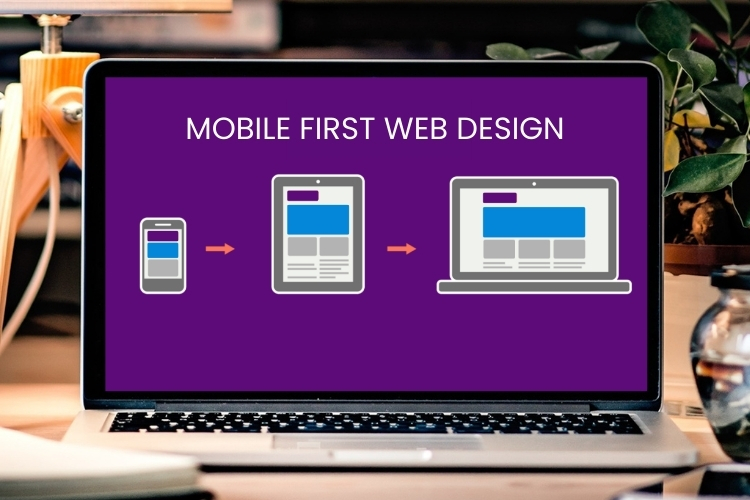
Mobile Responsiveness:
The majority of sales come through mobile devices, so your website should be responsive to mobile users.
Mobile responsiveness means attracting more new customers by optimizing your product descriptions for search
engine optimization and selling effectively to users on any device.
Product Pages:
High-quality images and clear descriptions integrated into an intuitive layout are important in gaining
customers' interest. Well-optimized product pages in your online marketplace will go a long way toward ensuring
that you sell digital products, improving your visibility on search engines and paid ads, and providing a good
experience where customers can easily surf through product categories and find you in online directories.
Stuck on where to begin?
Most e-commerce sites have pre-built templates and drag-and-drop page builders that make set-up very easy and
keep business costs low. Equipped with built-in marketing tools, web hosting, and smooth integration that manages
product sales, starting an e-commerce business has never been easier.
How to Setup an e-Store?
When your website is ready, here are some final but vital steps towards the launch of your eCommerce store online
before selling products:
Setting Up a Payment Gateway
Integrate safe payment gateways like PayPal, Stripe, or Square to ensure your eCommerce store can easily receive
payments. The more options there are, the better for increasing sales and gaining customer trust.
Shipping Options:
Decide what shipping options to offer and at what costs. Free or speedy shipping can help your online store to
stand out from the competition and reinforce a better business model and customer satisfaction overall.
Legal Compliance:
Your business should be compliant with local and international legislation concerning tax obligations, data
protection, and consumer rights. This step is indispensable for legitimizing and building trust in your eCommerce
venture.
Product Listings and Pages:
Organize your product listings with high-quality images, detailed descriptions, clear categorizations, and so on
for optimum customer experience and good probabilities of selling online. It will attract customers to your page.
Test your website:
Before launching your online store, make sure it goes through proper testing, which ensures everything works to
create a seamless shopping experience. Check the payment gateways, product listings, checkout processes, and
contact forms. It is about having an orderly user experience that helps generate money online.
By following these steps, eCommerce companies are assured that launching their own products and selling them
online can confidently occur while considering customer satisfaction and staying within legal boundaries.
eCommerce Marketing Strategy
Once you are all set with your eCommerce store, it's time to focus on bringing in customers. To succeed in
selling online, you'll need a well-rounded eCommerce marketing strategy that sets you apart in the crowded online
marketplace. Here's how you can build a strategy that will help you drive traffic and increase sales:
SEO (Search Engine Optimization)
- When you start an eCommerce business, optimizing your pages, blog posts, and content is essential to feature higher in search engine results. By targeting the right keywords, your eCommerce website can increase visibility without relying solely on paid ads.
Social Media Marketing:
- Utilize platforms like Instagram, Facebook, and Pinterest to showcase your product catalog, engage with potential customers, and create a community around your brand. Social media helps online stores get discovered by the right audience and create buzz around your offerings, whether you're using a dropshipping business or selling print-on-demand products.
Email Marketing
- Building and nurturing an email list is crucial for long-term success. To keep your subscribers engaged with your brand, regularly send targeted promotions, product updates, and personalized recommendations. Email marketing is a cost-effective way to drive repeat purchases and increase lifetime customer value for your eCommerce business.
Paid Advertising
- Platforms like Google Ads and Facebook Ads allow you to run focused campaigns that drive traffic to your eCommerce website. Paid advertising is particularly useful for new businesses looking to quickly gain visibility and start selling to a larger audience. Tailor your campaigns based on customer demographics, interests, and behavior to maximize conversions.
Web Hosting and Technical Setup:
- Ensure your eCommerce store has reliable web hosting to handle traffic, maintain fast loading times, and provide a seamless shopping experience. If you're using a print-on-demand or dropshipping business model, make sure your technical Setup integrates well with your suppliers to automate order fulfillment.
Business Structure:
- If you haven't already, consider registering your online store as a Limited Liability Company (LLC). This protects your assets and provides credibility, which can help build trust with customers and partners.
Organic Traffic:
- By combining SEO efforts with social media engagement and content marketing, your eCommerce website can begin to attract organic traffic. Organic traffic is cost-effective and sustainable in the long term, helping your store grow without constant ad spend.
Cost Considerations:
- If you are using a print-on-demand or dropshipping business model, it's essential to factor in business costs such as web hosting, payment processing fees, marketing, and any specific service costs. Understanding "how much it costs" to run an online store will help you price your products appropriately and ensure profitability.
With a strong eCommerce marketing strategy, you'll be well-positioned to grow your online business, attract more
customers, and boost sales while optimizing your costs and resources.
Launching Your Online Store
That's a major milestone-launching an eCommerce business-but to have a successful launch; it takes a lot of
planning and strategy. That often involves a so-called 'soft launch' where you're going to essentially test all
of the systems on your eCommerce website. This stage will enable you to iron out any technical problems with the
checkout process, pages, and integrations so that you are ready and prepared for a seamless customer experience
when you sell online. Launch on a full scale when you are confident all is working well.
A full-scale launch should be accompanied by a highly effective marketing campaign announcing the arrival of your
new online marketplace. Drive customers onto your eCommerce website through social media, email marketing, and
paid ads. You may want to grant special promotions or discounts to some of your early customers. These special,
limited-time promotions are just the right way to build momentum and drive early sales for your eCommerce sites.
Not to mention, collaborating with influential people or bloggers in your niche is really effective. Influencer
marketing will help you tap into their reach to reach more audiences and raise brand awareness. Influencers or
bloggers can introduce your products to their followers, which may drive more traffic to your site.
If you sell products with unique identities or use print-on-demand services, be sure to mention that in your
launch announcements. A custom domain for your e-commerce store is important for making it look professional and
trusted by customers. It is also a legal requirement that allows you to operate your eCommerce business within
your city, state, or country.
This will create momentum in your online store, add points of differentiation from others, and build a really
strong foundation for the long-term sale of products online.
Ongoing Management and Growth
Starting an eCommerce business doesn't stop at the launch—it's just the beginning. Your online marketplace's
ongoing website maintenance
and growth require continuous effort to ensure your small eCommerce business remains competitive and profitable.
Here are key areas to focus on for long-term success:
Inventory Management:
Efficient inventory management is essential for maintaining smooth operations. Regularly update your product
stock, ensure your supply chain is optimized for cost efficiency, and avoid stockouts. Proper inventory control
helps keep costs down and ensures that your customers can always find what they want when they're ready to make
a purchase.
Customer Support:
Providing excellent customer support through live chat, email, or phone is crucial for building trust and
customer loyalty. Whether you're running a small eCommerce business or scaling up, ensuring that customers can
easily reach out with questions or concerns can differentiate your online store from competitors and even
brick-and-mortar stores. Great customer service keeps customers satisfied, leading to repeat sales and referrals.
Analytics:
Utilize analytics tools to regularly monitor your eCommerce website's performance. Track sales, customer
behaviors, and website traffic to gain insights into how your business is doing. Adjust your eCommerce marketing
strategy based on these metrics to better target your audience and optimize campaigns. Analytics can also reveal
which products are top performers and how your customers pay, allowing you to make informed decisions that drive
growth.
Marketing and Promotions:
Consistent and targeted marketing campaigns are necessary to keep driving traffic to your online marketplace.
Whether you're using Google Ads, social media, or email marketing, ongoing promotions can help you generate
revenue and increase brand awareness. Don't forget to offer exclusive deals or flash sales to entice both new and
returning customers.
Platform Maintenance:
If you're using an eCommerce website builder like Shopify, WooCommerce, or Square Online, ensure that your
eCommerce site is regularly updated for security and performance. This is especially important as you scale your
business to handle larger customer bases and more transactions.
Scaling and Growth:
As your business grows, you may find the need to expand your product range or explore additional sales channels.
Consider diversifying your product catalog and offering more options to your customers or even moving into
physical retail spaces if your brand expands beyond the online marketplace. Balancing your eCommerce sales with
potential brick-and-mortar store opportunities can generate new revenue streams.
Operational Costs and Financial Planning:
Keep a close eye on your operational costs, from web hosting to payment processing fees. By managing these costs
effectively, your small eCommerce business can maintain profitability while investing in growth. Consider
reinvesting your profits into expanding your product offerings, enhancing your customer service, or launching
more aggressive marketing campaigns.
Setting up an online store can seem daunting, but it can be incredibly rewarding with careful planning, the right
tools, and ongoing management. Follow the insights laid out in this guide on how to start an eCommerce business,
from choosing your platform and building your website to launching your marketing efforts. Remember, the journey
doesn't end once your website is live—continuous testing, adaptation, and strategic enhancement are key to
ensuring long-term success for e-commerce businesses.
Good luck with setting up your eCommerce business!