Master User-Centered Web Design (UCD Websites)
In today's digital world, having a working website isn't enough. Web design has become a science of user experience.
Enter user-centered web design—an approach that puts the user at the heart of the process. This is changing how web
designers, UX/UI designers, and digital marketers create and interact with online spaces. Human-centred design (HCD)
plays a significant role in adapting the design process to mobile users, understanding their contexts, and
incorporating their feedback to create a more effective and meaningful user-centred design process.
In this post, we'll examine the significant principles of user-centered web development, its benefits, and how to
implement them. We'll also explore how prioritizing users can lead to increased engagement, higher conversion rates,
and improved website performance. Go user-centred today!
What is User-Centered Web Design (UCD)?
User-centered web design is a design philosophy that puts the entire customer experience at the heart of the
website development process. This approach is known as user-centred design (UCD). It aims to create highly
usable and accessible products by focusing on meeting users' expectations, preferences, and behaviours at every
stage of the design process.
Unlike traditional web design processes, which often prioritize aesthetics or technical specifications,
user-centered web design prioritizes empathy and understanding of the target user's perspective. By applying
user-centred design principles, businesses can enhance usability, boost engagement, and increase website conversions.
Importance of Focusing on the User
Focusing on the user's point is vital for creating effective web designs. Involving users in the design process
to address their real challenges and pain points ensures the products are relevant and practical. When most users
feel understood and catered to, they are more likely to engage with the site, stay longer, and return in the future.
This focus improves the immediate user experience and bolsters long-term brand loyalty. In a competitive
digital world, businesses that prioritize their user involvement stand out and often enjoy higher success rates.
Evolution of User-Centered Design
User-centered web design isn't a new concept; it has evolved significantly over the years. User-centred system
design, historically, emphasized an iterative process focused on understanding user needs through various
investigative methods. It has evolved into more inclusive concepts, such as human-centred design.
Initially, design was more product-centric, focusing on what companies thought was best. However, as the internet
became more integral to daily life, the need for a user-centred design approach emerged. Today, user-centered web
design integrates advanced technologies and methodologies, making it an indispensable part of digital creation.
User-Centered Design Principles
Understanding User Needs
Understanding user needs is the foundation for a user-centred approach. Understanding the target market through
user interviews and persona development is crucial for ensuring the design meets the intended audience's needs.
This involves conducting extensive market research to determine what users want, expect, and struggle with on your
site. By understanding ideal users, the design team can create design solutions that address real-world problems
and lead to more satisfying user interactions.
Usability and Accessibility
A key principle of user-centred design is ensuring usability and accessibility. Websites should be easy for
everyone, regardless of their abilities. This means incorporating features like screen readers, keyboard navigation,
and alternative text for images, ensuring that everyone can access and enjoy the content without barriers.
Simplicity and Minimalism
Simplicity and minimalism are essential components of user-centered web design. User-centred design is key to
good web and product design that prioritizes user requirements. By removing the unnecessary, the web design team
can create a clean, focused landing page that guides users effortlessly. This benefits both usability and aesthetics,
resulting in a more engaging user experience.
Responsive and Adaptive Design
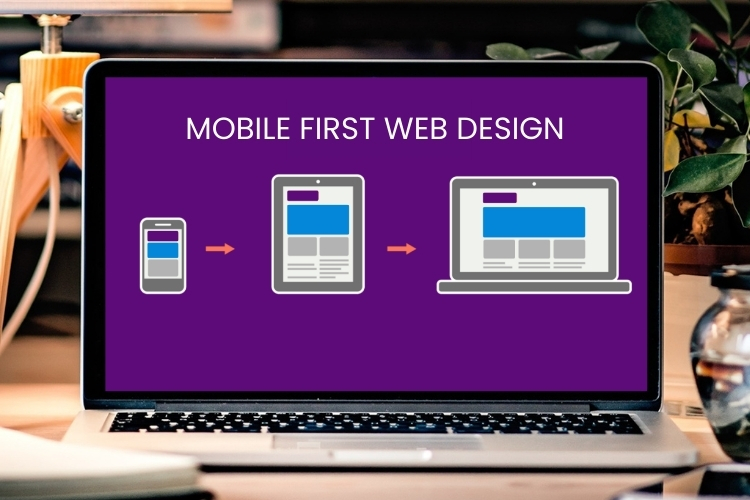
In the era of multiple devices, responsive and adaptive design is key. User-centered web design means websites
look and work perfectly on all screen sizes, from mobile phones to desktops. This adaptability benefits the user
experience and provides consistency, regardless of how focus groups access your site.
Consistent User Experience
Consistency is a crucial aspect of user-centered web design. This approach involves users at every stage of the
design process to ensure the final product meets user goals and expectations. It also means uniformity across
different pages and sections of a website. By using consistent colours, fonts, essential elements, and layouts,
designers can make users feel comfortable and familiar as they navigate, reduce confusion, and increase satisfaction.
User-Centered Design Process For Web Design
User-centred design for web design refers to a human-centred approach to building websites that are intuitive,
user-friendly, and tailored to meet the needs of the target audience. This entails a deep understanding of most
user behaviour, needs, and preferences, achieved through extensive research, which then guides the entire UCD
process.
To effectively apply user-centric design to web design, follow these steps:
- Conduct a User-Centered Evaluation: Gather valuable insights into your target audience's needs, behaviours, and preferences through surveys, interviews, and analytics tools at the very beginning.
- Create User Personas: Develop detailed personas that represent various user groups and their unique needs. These personas help visualize the end users and tailor the user-centred design to meet their expectations.
- Develop Customer Journey: Observe user experience on your website to identify potential pain points and areas for improvement. This helps understand the user flows and task requirements.
- Design Wireframes and Prototypes: Create wireframes to outline the website's basic structure and functionality. Prototype testing provides a more interactive representation, enabling early testing and feedback.
- Conduct Usability Testing: Test the design with actual users to validate its effectiveness and identify any usability issues that may arise. This step is crucial for ensuring the design meets user needs.
- Iterate Based on Feedback: Use the insights gained from usability testing to refine and improve the human-centred design. Continuous iteration based on user feedback ensures the website maintains effective human-computer interaction.
By following an iterative design process, web designers can create websites that are not only visually appealing
but also highly functional and user-friendly, meeting the target audience's needs.
Benefits of User-Centric Website Design
Increased User Engagement
One of the most significant benefits of user-centred design is increased user engagement. User-centered web
design focuses on understanding and prioritizing the end user's needs and behaviour. When a website is designed
to meet the needs and expectations of its users, it encourages more interaction.
This increased engagement often means higher click-through rates, navigating to the right direction, longer
session duration, and better overall website performance. By prioritizing user experience, businesses can
create websites that attract their target customers, keep them engaged, drive conversions, and achieve their
online user goals.
Higher Conversion Rates
User-centred design (UCD) is crucial for increasing conversions by streamlining the user's journey. By creating
a user-friendly website or app, you simplify actions like signing up for a newsletter or making a purchase.
Reducing friction in the design process means users are more likely to take the desired action. Prioritizing
user experience not only increases satisfaction but also drives more conversions.
Optimize your website's SEO for
better results during the web design phase!
Enhanced Brand Loyalty
A good user experience is key to building brand loyalty. When users consistently find value and ease while using
a website, they are more likely to return as repeat visitors and become advocates for the brand. This loyalty
not only increases user engagement but also gives you a competitive advantage and provides new market perspectives.
Focusing on improving user experience can lead to higher customer retention, more conversions, and stronger brand
advocacy.
Improved Accessibility for All Users
Designing a website accessible is not only a moral obligation but also a business advantage of user-centred design.
By making websites accessible to all users, including those with disabilities, businesses can open up a whole new
audience. This commitment to inclusivity not only enhances brand reputation but also unlocks new market opportunities.
Prioritizing accessibility in web design can lead to increased traffic, higher engagement, and improved customer
loyalty, making it a smart move for any business seeking to succeed in today's digital world.
Steps to Implement User-Centered Web Design Solutions
Research and User Personas
The first step in user-focused design is to research and design user personas. This means gathering data on your
target audience, including demographics, preferences, and behaviour. Creating detailed personas helps Calgary web
design companies visualize the end user and tailor their visual design to specific user requirements.
Wireframing and Prototyping
Wireframing and prototyping are key parts of the UCD process. Wireframing provides a basic layout of the website,
focusing on structure and functionality rather than looks. Prototyping offers a more interactive version, allowing
website designers to test and refine their ideas before the development stage.
User Testing and Feedback
User testing is a crucial component of user-centered web design. Getting user feedback is crucial to ensuring web
designs meet users' actual needs and preferences. By watching real users interact with a prototype or live website,
designers can identify pain points and areas for improvement. Gathering feedback helps refine the design so it
aligns with user needs and expectations.
Iterative Design and Continuous Improvement
User-centred design takes time, and it is not a one-off process; it's iterative and ongoing. Once a website is
launched, continuous monitoring and improvement are required. Website designers should regularly review user
feedback, website performance
metrics, and industry trends to make informed changes and enhancements.
Usability Testing
Usability testing is at the heart of the user-centered design process. It involves testing a website or product
with real users to identify usability problems and validate the user-centred design examples.
To do usability testing:
- Recruit Participants: Select participants who match the demographics and behaviour of your target audience. This means the feedback will be relevant and actionable.
- Prepare a Test Plan: Create a detailed test plan and script to guide the testing. This should include specific tasks for the user to complete and questions to gather qualitative feedback.
- Conduct Testing Sessions: Conduct the testing sessions in person or remotely. Observe and record the users' interactions, noting any difficulties or confusion they encounter.
- Analyse Results: Review the recorded sessions and feedback to find common usability issues and areas for improvement.
- Iterate on the Design: Use the insights from the testing to make informed changes to the design. This iterative process helps refine the website to better meet the needs of users.
Usability testing can be done at any stage of the design process, from wireframes to final product testing.
By doing usability testing, designers can ensure the website is user-friendly, intuitive, and aligned with the
target audience.
Tools for User-Centric Web Design
- User Research Tools: User research tools, such as surveys and interviews, provide valuable information on user needs and preferences. Tools like SurveyMonkey and Google Forms enable designers to collect both qualitative and quantitative data quickly.
- Prototyping Tools: Prototyping tools like Sketch and Figma are essential for interactive design. These platforms enable designers to quickly build and test prototypes, collaborate, and innovate.
- Usability Testing Platforms: Usability testing platforms, such as UserTesting and Hotjar, enable designers to monitor user interactions and gather feedback in real time. This information is invaluable for refining designs and improving user experience.
- Analytics and Feedback Collection: Analytics tools like Google Analytics and Crazy Egg provide data on user behaviour and site performance. By reviewing this data, designers can identify trends and make informed, data-driven decisions to enhance the website.
Business Goals and Sustainability
User-centred design is not just about creating user-friendly and intuitive websites but also about aligning with
business goals and being sustainable.
To ensure user-centered design aligns with business goals, web designers should:
- Understand Business Objectives: Clearly define the business objectives and user and task requirements. This helps create a design strategy that balances user needs with business goals.
- Involve Stakeholders: Engage stakeholders throughout the design process to ensure alignment and gather diverse perspectives.
- Conduct User Research: Gather the target audience's needs and behaviour to inform the design strategy.
- Develop a Design Strategy: Create a strategy that addresses both user and business needs. Hence, the design supports key business objectives.
- Conduct Usability Testing: Test the design to ensure it meets user needs and business goals.
- Iterate on Feedback: Continuously refine the design based on user feedback and testing results to stay aligned with business objectives.
In terms of sustainability user, centred design can help reduce development costs and improve efficiency by:
- Reducing Redesigns and Rework: Addressing user needs early in the design process minimizes the need for costly redesigns and rework.
- Improving Engagement and Conversion Rates: A user-friendly design enhances user engagement and conversion rates, ultimately leading to business success.
- Increasing Customer Satisfaction and Loyalty: A good user experience leads to higher customer satisfaction and loyalty, which is key to long-term success.
- Reducing Support and Maintenance Costs: A well-designed website minimizes the need for extensive support and maintenance, saving time and resources.
- Increasing Accessibility and Usability: Prioritizing accessibility means that all users, including those with disabilities, can access and enjoy the website, thereby expanding the audience.
By using user-centred design solutions, businesses can create websites that are user-friendly, intuitive,
sustainable, and cost-effective, ultimately achieving long-term success.
Common Mistakes in User-Centered Web Design
Ignoring User Feedback
Ignoring user feedback is a big mistake in user-centered web design. Feedback gives valuable insight into user
pain points and expectations. Designers should actively seek and incorporate feedback to ensure the website
aligns with user needs.
Overcomplicating the Design
Overcomplicating the user-centred design can kill the user experience. Complex layouts and excessive features
can confuse users and detract from the site's purpose. Simplicity and clarity should always guide design decisions.
Forgetting Mobile Users
Failing to consider mobile users is a significant oversight in today's digital world. With more mobile devices
than ever, making sure the website is fully responsive is crucial. Mobile should be a priority from the start
of the user-centred design process.
Losing Sight of the User
Designers can sometimes lose sight of the end user, focusing on aesthetics or internal preferences rather than
the user's needs. Keeping the user at the forefront ensures that user-centred design decisions are aligned with
user expectations and goals.
User-Centric Web Development in Action Case Studies
Looking at good user-centred design examples can inspire and inform user-centred design (UCD). Companies
like Airbnb and Netflix have excelled in this area, delivering exceptional
user experiences and driving business growth.
Learning from failure is just as important. By examining cases where user-focused design went wrong,
our web designers in Calgary can
identify common mistakes and how to avoid them in future projects.
Conclusion: Calgary Web Design Company For User-Centered Designs
Summary of Key Points
User-centered web development is a powerful approach that prioritizes the user. By understanding user needs and
applying design principles, businesses can create great digital experiences that drive engagement, conversion,
and loyalty.
The Future of User-Centered Websites
The future of user-centered web development appears promising. As technology advances and user expectations evolve,
designers must continue to innovate and adapt. Staying up-to-date with industry trends and new tools will be key to
success.
How to Get Started
To get started with user-centered web development, conduct user research and design techniques. Use prototyping
and testing to refine your designs, and remember to continuously gather feedback and make improvements.
With dedication and a user-focused mindset, you can create websites for your business that truly resonate with your
audience and achieve remarkable results.
FAQs For User-Centered Web Design Explained: Principles, Stages, and Real-Life Examples
When it comes to creating products people love to use, one approach stands out: User-Centered Design
(UCD). Whether you're building a website, an app, or a physical product, UCD helps ensure you're
solving real problems for real people.
Let's break it down in a way that's easy to understand—even if you're not a designer.
What Is User-Centered Design (UCD)?
User-centred Design is a design approach that puts real users—not assumptions—at the heart of the design process.
The idea is simple: by understanding your users' needs, behaviours, and pain points, you can create products that
are useful, usable, and even delightful.
Instead of guessing what people want, UCD encourages designers to involve users early and often—from
initial research through to testing and beyond.
What Are the 5 Stages of User-Centered Design?
User-centred design isn't a one-and-done process. It's iterative and usually follows these five key stages:
- Understand Your Users: Start by digging into who your users are and what they need. This could include interviews, surveys, user observations, or analytics.
- Specify User Requirements: Based on your research, define clear goals and requirements from the user's perspective. What are they trying to achieve? What problems are they facing?
- Create Design Solutions: Now, it's time to brainstorm and sketch out ideas. This stage often involves wireframes, mockups, and prototypes.
- Evaluate with Real Users: Test your designs with actual users. Gather feedback, watch how they interact with your product, and identify what works—and what doesn't.
- Implement and Iterate: Launch the product, but don't stop there. Continue improving it based on ongoing user feedback and testing.
What's the Difference Between UX and UCD?
This one confuses a lot of people, so let's clarify:
- UX (User Experience) refers to the overall impression a person has when interacting with your product—whether good or bad.
- UCD (User-Centered Design) is the process you use to create that experience.
Think of UX as the destination and UCD as the map you follow to get there.
What's a Real Example of User-Centered Design?
A great example is the Apple iPhone. When Apple designed it, they didn't just throw features
together—they focused intensely on how people use their phones. The result? A sleek, simple interface that feels
natural, even to first-time users.
Another user centered design example is Google Search. It's fast, clean, and
clutter-free because Google prioritizes what users care about most: getting answers quickly.
What Are the 3 Key Principles of User-Centered Web Design?
To truly embrace UCD, you need to follow these guiding principles:
- Focus on Users and Their Needs: Always design with the user's goals, preferences, and limitations in mind.
- Involve Users Throughout the Process: Don't just guess—ask. Obtain feedback regularly throughout the research, design, and testing phases.
- Use an Iterative Design Process: Test, learn, and refine. Great design doesn't happen in a straight line.
User-centered web design isn't just a buzzword—it's a mindset. By designing with your users in mind rather than
just for them, you're more likely to create products that are intuitive, effective, and meaningful.
If you're building something that real people will use, embracing User-Centered Design (UCD) can be the difference
between "meh" and amazing.