Website Architecture for User Experience and SEO
Website architecture is key to online success these days. Think of it like a blueprint for a building; a well
designed structure will guide visitors through your site and improve their experience and traffic.
Web developers and SEO’s need to master website architecture to get visibility and engagement. Focus on user
friendly navigation, page speed and mobile compatibility to get the most out of your site and get more visitors.
Why Website Architecture
Website architecture is important for both user experience (UX) and search engine optimisation (SEO).
It’s not just about looks; a well structured web page helps users find what they are looking for and improve
their experience.
Also an effective site structure allows search engines to crawl and index your content more efficiently.
Prioritizing good website architecture is key to getting visibility and traffic to your site.
A well structured website architecture is key to user satisfaction and search engine rankings. By optimizing your
website’s pages and navigation you can get more user engagement and achieve your business goals. Prioritizing a
clear and structured site design helps users find what they need and also drives organic traffic and your online
presence.
Improving User Experience with Good Design
User experience (UX) is key to users having a smooth interaction with your website. A messy and confusing website
will drive users away and hurt your traffic and engagement. A clean and simple layout improves user experience
and keeps users coming back. By prioritizing UX design, you can improve site performance, user retention, and
ultimately conversions. Focus on a user-friendly interface that shows key information and guides users through
your site's pages.
UX in your website architecture is key to improving user experience. Key things to consider are intuitive
navigation, page speed and mobile compatibility. These things impact how users perceive and engage with your
site's pages and ultimately your website’s performance and search engine rankings. Prioritizing user friendly
design will get you more traffic and higher conversions.
SEO Benefits of Good Website Architecture
SEO is key to getting online visibility. A structured website will get you higher on search engine results pages
(SERPs). Search engines like Google love websites with clear navigation, logical layout, and high-quality
relevant content. By optimizing your site for SEO you’ll get more visitors and online presence.
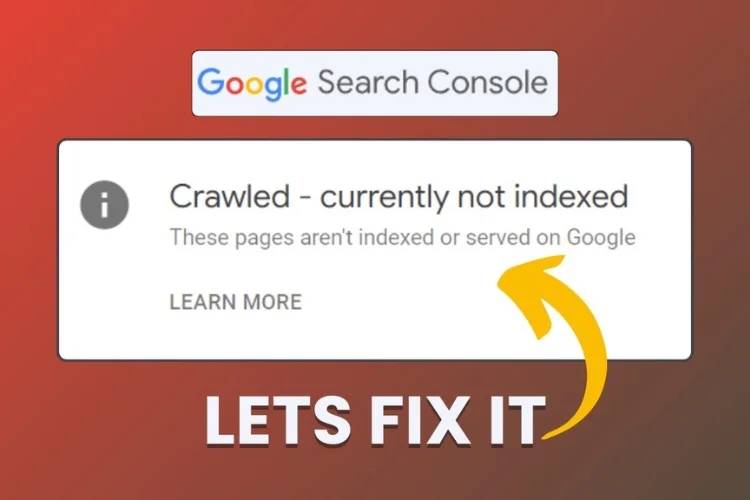
Optimizing your website for Google Search Console is key to crawlability. This makes it easier for search engines
to understand and index your pages, resulting in higher rankings and more organic traffic. By structuring your
site, you can increase its visibility and attract more visitors.
Key Elements of a Dynamic Website Structure
Clear Navigation
Website navigation is the map of your online presence. It helps users find their way around and access key
information. A clear and structured menu is key to guiding users through your site, improving user experience and
SEO. By optimizing your navigation, you are helping both users and search engines understand your content and
getting more traffic to your site.
Internal Linking
Internal links are key to connecting different pages on your website, to form a network of related content.
This improves user experience (UX) by guiding users to find more of your great content. Internal links also boost
your search engine optimisation (SEO) by distributing link equity across your site and get you more visibility in
search results. Optimize your internal linking for both UX and SEO!
URL Structure
A clean and descriptive URL structure is key to user experience and search engine optimization (SEO). URLs should
be easy to read and include relevant keywords that describe the content of the page. This improves readability
for users and gets you more visibility in search engines. Go for short URLs that clearly convey the topic so both
users and Google search console can understand your content better.
Mobile
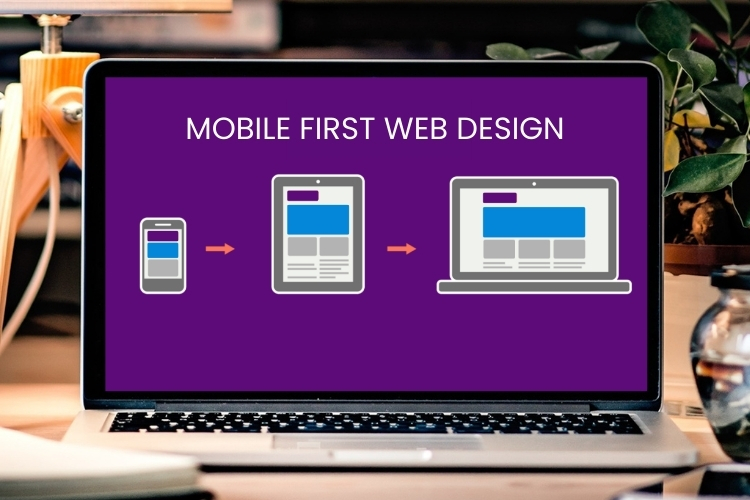
As mobile usage grows, mobile-friendliness is key to success. Responsive web pages mean your site looks great and
works perfectly on all devices. This improves user experience (UX) and search engine optimisation (SEO) and gets
you more visitors and online presence. Don’t miss out on your target audience—make your site mobile-friendly
today!
Speed and Performance
Page speed is key to both user experience (UX) and search engine optimization (SEO). Faster sites improve user
satisfaction and are ranked higher by search engines. Improving your site’s speed will get you better engagement,
lower bounce rates, higher visibility in search results, and ultimately more online presence.
Website Architecture Best Practices
- User Centric - Put yourself in your users shoes. What do they need and how will they interact with all the pages? Design your hierarchical website structure to meet their needs and expectations.
- Hierarchical Structure - Organize your content in a logical hierarchy so that it would create a sequential website structure. Use content categories and subcategories to group related content so users can find what they need.
- Consistent Layout - Keep your design elements consistent, navigation menus, headers, footers. This creates a cohesive experience and makes users feel comfortable on your site.
- Avoid Clutter - Less is more. Don’t overwhelm users with too much information or too many options. Keep your website's content clean and focused.
- Testing and Iteration - Test your website structure with real users regularly to find pain points or areas for improvement. Use this feedback to refine your site structure and improve the experience.
Tools and Techniques for Website Architecture
Sitemap
A sitemap is a website optimisation tool, a visual representation of your URL structure. By creating a sitemap
you can plan and organize your content so every page is easy to find and has its place. This improves user
experience and SEO so search engines navigate and index your content better.
Wireframing
Wireframes are visual tools that outline the skeleton of your website. These basic website structures help you
plan the layout and structure of your site before you start designing and developing. By using wireframes you
can have a smoother workflow and a more user friendly website and improve usability and SEO performance.
Analytics and Heatmaps
Use analytics and heatmaps to see how users interact with your website. This data will show you where to improve
your website architecture and user experience.
Common Website Structure Mistakes to Avoid
In the ever-changing world of web design, having an intuitive and good site structure is key to getting and
keeping users. However, even experienced web designers can fall into common traps that hurt a site’s
effectiveness. These can range from cluttered layouts and poor navigation to inconsistent branding and
responsiveness. By knowing and avoiding these common web design mistakes
designers can increase user engagement and satisfaction and get more online presence.
Overlooking Accessibility
Another common web design mistake is overlooking accessibility. Making sure your website is accessible to all
users including those with disabilities is not only a best practice but often a legal requirement. Not
accommodating features like screen readers, keyboard navigation and proper color contrast will exclude a big
chunk of your audience and reduce your site’s reach and effectiveness.
Complicated Navigation
Complex or unclear internal links and navigation will frustrate users and drive them away from your site. You
need to design simple and straightforward internal links pointing users to find what they are looking for. Not
doing so will result in lower engagement rates and negative brand perception.
Ignoring Page Load Speed
Ignoring page load speed is another big mistake. In today’s fast digital world users expect websites to load
fast. Slow loading times will result in higher bounce rates and negatively impact your site’s search engine
rankings. Optimize images, leverage browser caching and minimize code to improve load time for individual pages
and user experience.
Ignoring Mobile Responsiveness
One of the most common web design mistakes is not making a site mobile responsive.
With more and more users accessing the internet on their smartphones and tablets it’s essential that websites
provide a smooth experience across all devices. Ignoring mobile responsiveness will lead to a poor user
experience, increased bounce rates and ultimately impact on the site’s performance and reputation.
Inconsistency Of Web Pages
Lastly, lack of consistency in design elements like fonts, colors and button styles will result in a broken user
experience. Having a consistent design across a website's pages will reinforce your brand and help create a
smooth experience for your target audience. Avoiding inconsistencies will build trust and recognition with your
site visitors.
Website Architecture in Digital Strategy
Align with Business Goals with Site Structure
Your website architecture must align with your business goals to be effective. Whether your objective is to drive
sales, generate leads, or enhance brand awareness, a solid website structure is crucial. A user-friendly site not
only improves navigation but also boosts SEO, helping you attract more visitors and convert them into customers.
Prioritizing website structure is essential for achieving your business objectives and maximizing online success.
Integrates with Other Marketing Channels
Your website architecture should seamlessly integrate with your marketing channels, including content marketing
and social media. This alignment creates a cohesive digital marketing strategy that enhances your online presence
and maximizes your results. By optimizing your website structure, you can improve user experience and boost
search engine rankings, ultimately driving more traffic and conversions.
Measuring Success
To effectively measure the success of your website architecture, utilize important metrics such as bounce rate,
time on site, and conversion rates. Regularly review and adjust these metrics to ensure your website continues to
meet your goals and provides an optimal user experience. Staying proactive with these evaluations will help
improve your site’s performance and enhance SEO results.
Future of Website Architecture
AI and Machine Learning
AI and machine learning will change website structure and online user experience. By using these technologies businesses
can create more personalized and intuitive websites that cater to individual user needs. Using AI and machine learning
will improve website functionality and engagement and satisfaction.
Voice Search Optimization
As voice search becomes more popular, optimizing for voice queries is a must to stay ahead. Use natural language and
long-tail keywords to increase visibility. Align your content to how people speak and you’ll have a better chance of
being found in voice search results. Make your site more user friendly and engaging by answering common questions and
phrases users will ask.
PWAs
PWAs combine the best of web and mobile applications, fast, reliable and engaging user experience. As the future of
website design and user interaction PWAs improve performance and accessibility that’s why it’s a must for businesses to
improve their online presence and customer satisfaction. Go PWA!
Website's Structure - Conclusion
A good website structure is part of both UX and SEO. By focusing on strong site architecture, simple navigation, strong
internal linking structure, mobile, and speed you’ll have a site that will delight direct users and rank well on search
engines. For web developers and SEO experts, mastering site architecture is key to driving traffic and digital success.
Ready to take your site architecture to the next level? Reach out to our web developers in Calgary
for expert guidance and support tailored to your unique needs.